Trainer Approved Nutrition Tips That Actually Work 🍎💪
Aug 15, 2026
by Coach Steph - Stephanie Ward
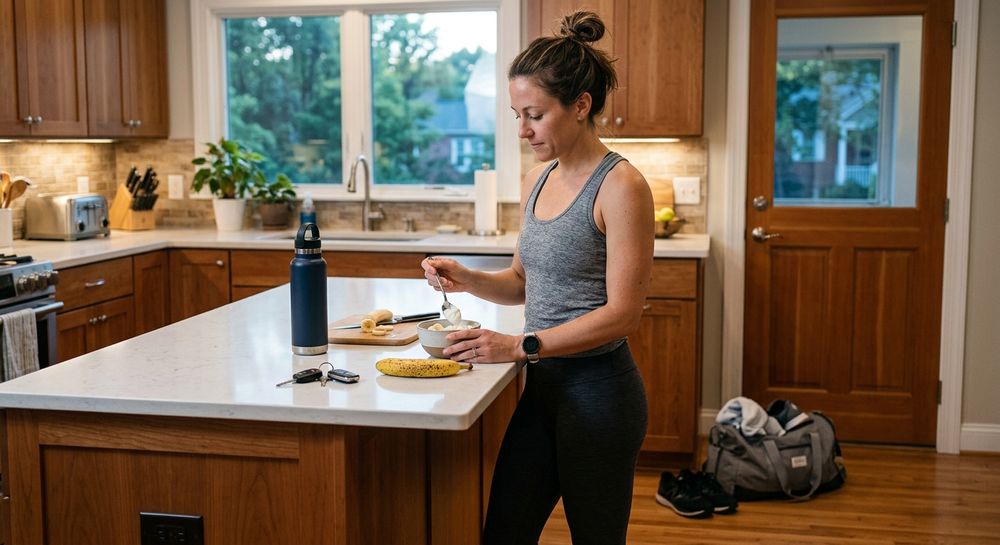
Nutrition gets complicated fast.
One person tells you to cut carbs. Another says you need to track every calorie. Social media gives you a new food rule every week. Before long, eating well starts feeling like a second job.
For most people trying to get stronger, improve their fitness, or lose body fat, the solution is usually much less complicated.
You need a few reliable habits you can repeat on normal Tuesdays, busy Fridays, weekends with friends, and weeks when meal prep does not happen.
At Train Strong Fit in Ashland, VA, we believe nutrition should support your training and your life. Here are practical nutrition principles you can actually use.
Start With Protein, Not Restrictions 🥩
Instead of beginning with a list of foods you cannot eat, start by improving what is already on your plate.
Protein is a useful place to begin because it supports muscle repair and helps make meals more satisfying.
Rather than asking, "What should I remove from this meal?" ask:
"Where is my protein?"
Depending on your preferences, that could be chicken, fish, lean beef, eggs, Greek yogurt, cottage cheese, tofu, beans, or another protein source.
This becomes especially important when you are consistently participating in strength training in Ashland, VA. Training creates the stimulus. Your nutrition provides some of the raw materials your body needs to recover and adapt.
You do not need to turn every meal into a nutrition equation. You need to make protein a consistent part of your routine.
Stop Being Afraid of Carbohydrates 🍚
Carbohydrates have developed an undeserved reputation in some fitness circles.
If you train regularly, carbohydrates can be useful fuel.
The issue is usually not whether you eat carbohydrates. It is the amount, source, and context.
Rice with chicken and vegetables before an evening training session is very different from mindlessly eating snack foods while watching television.
Useful carbohydrate sources can include:
- Rice
- Potatoes
- Oats
- Fruit
- Whole grain bread
- Beans
The goal is not to eliminate an entire macronutrient. It is to build meals that support your activity level.
Members participating in small group training need enough energy to train productively. Arriving at every workout underfed can make training feel unnecessarily difficult.
Build Meals Using a Simple Formula 📋
You should not need an app to decide what lunch looks like.
A practical meal can often be built around four components:
- A quality protein source
- A fruit or vegetable
- A carbohydrate source appropriate for your activity
- A source of healthy fats
Imagine someone who works in Richmond, drives home toward Ashland, and has an evening workout.
Lunch might be grilled chicken, rice, vegetables, and avocado.
A snack before training might be Greek yogurt and a banana.
Dinner could be salmon, potatoes, and a salad.
Nothing about that is revolutionary.
That is precisely the point.
A nutrition strategy becomes valuable when you can repeat it.
Eat Differently Before and After Training ⚡
You do not need perfect nutrient timing, but what you eat around your workouts can affect how you feel.
Before Training
The goal is to arrive with energy without feeling overly full.
Depending on how soon you are training, simple options could include:
- Banana and Greek yogurt
- Oatmeal and fruit
- Toast with eggs
- Rice with lean protein
If you eat a large meal five minutes before squats, you probably will not feel great. If you have eaten almost nothing since breakfast, your workout may suffer for the opposite reason.
Experiment with timing and find what allows you to train comfortably.
After Training
Your next meal should help support recovery.
Prioritize protein, include carbohydrates, and rehydrate.
You do not have to sprint toward a protein shake the second your final set ends. What matters more is your overall nutrition across the day.
Pairing sensible nutrition with personal training in Ashland, VA creates a much stronger foundation than expecting workouts alone to do everything.
Hydration Is Easy to Ignore Until It Affects Your Workout 💧
Central Virginia weather makes hydration particularly worth paying attention to.
A hot summer afternoon can increase fluid loss considerably, especially if you have spent time outdoors before training.
Instead of waiting until your workout to start drinking water, spread hydration throughout the day.
One practical indicator is urine color. Very dark urine can be a sign that you need more fluids, although medications, supplements, and other factors can also affect color.
If you sweat heavily, longer or harder sessions may also require attention to electrolytes.
The practical lesson is simple: hydration starts before you walk into the gym.
Your Weekend Counts Too 📅
A common pattern looks like this:
Someone eats carefully Monday through Thursday.
Friday arrives.
Dinner turns into drinks and appetizers.
Saturday becomes an entire "cheat day."
Sunday becomes another.
Then Monday starts with guilt and another attempt to be perfect.
This cycle makes nutrition much harder than it needs to be.
Instead of dividing food into perfect days and failed days, aim for reasonable consistency across the entire week.
Enjoy dinner out.
Have dessert if you want it.
Then return to your normal eating habits at the next meal.
One restaurant meal does not erase a productive week. Turning one indulgent meal into an entire weekend of overeating can make progress harder.
Nutrition Should Match Your Actual Goal 🎯
"Eat healthy" is not specific enough.
Someone trying to build muscle may need a different amount of food than someone trying to reduce body fat.
Someone training for performance may need more carbohydrates than someone with a relatively sedentary lifestyle.
This is why copying someone else's meal plan is rarely the best strategy.
Your nutrition should reflect:
- Your goal
- Your body
- Your training frequency
- Your activity outside the gym
- Your schedule
- Your food preferences
- Your ability to maintain the plan
The same principle applies to coached fitness programs. The best approach is not necessarily the hardest one. It is the one that matches what you are trying to accomplish and can be progressed over time.
What Most People Get Wrong About Eating for Results 🚫
The biggest mistake is trying to make nutrition perfect.
Perfect creates fragile routines.
If your eating plan only works when you meal prep every Sunday, never travel, never eat at restaurants, and never have a stressful week, it is not a particularly useful plan.
Build fallback options instead.
Know what breakfast you can prepare in five minutes.
Keep a few protein-rich snacks available.
Know what you can order when eating out.
Have two or three simple dinners you can make when you are exhausted.
Those boring backup plans often matter more than the impressive recipe you make once.
A Simple Nutrition Checklist for Busy Adults ✅
Before changing everything, look at the basics.
Ask yourself:
- Am I eating a reliable protein source at most meals?
- Am I eating fruits and vegetables regularly?
- Am I drinking enough water throughout the day?
- Am I eating enough to support my training?
- Do I have convenient options available when my schedule gets busy?
- Can I follow this approach without feeling like I am constantly dieting?
If several answers are no, start there before worrying about advanced nutrition strategies.
You Do Not Need Perfect Nutrition to Get Stronger 💥
The most effective nutrition strategy is rarely the most exciting one.
It is the one you can execute repeatedly.
Build meals around protein. Use carbohydrates intelligently. Eat fruits and vegetables. Stay hydrated. Plan for busy days. Give yourself enough flexibility to enjoy your life.
Then repeat.
When those habits are combined with consistent, intelligently programmed training, they create a foundation you can actually maintain.
If you are in Ashland or the Richmond area and want to get stronger without turning fitness into another full-time job, Train Strong Fit can help you build a training routine that works in the real world.